

Victorian Era Greenhouse Installers
Add a review FollowOverview
-
Founded Date June 9, 1938
-
Sectors Health Care
-
Posted Jobs 0
-
Viewed 92
Company Description
9 . What Your Parents Teach You About Victorian Garden Conservatory
The Charm and Functionality of Victorian Garden Conservatories
Victorian Architecture Conservatory garden conservatories, typically considered the epitome of traditional garden architecture, have actually captured the imagination of house owners, architects, and historians alike. With their elaborate styles and smooth blend of exterior and interior areas, these structures serve not only as stylish additions to gardens but likewise as practical areas that can house a myriad of plant life. This blog post dives into the history, design functions, useful usages, and maintenance suggestions for Victorian garden conservatories, highlighting their timeless appeal.
A Brief History of Victorian Conservatories
The Victorian era, covering from 1837 to 1901 throughout Queen Victoria’s reign, was a prolific time for conservatory design. The commercial revolution sustained developments in glass production and metalworking, enabling bigger and more ambitious designs. Rich families, excited to display their status and love for gardening, began to develop extensive greenhouses or conservatories.
Initially, these structures were utilized mostly to display exotic plants from around the globe. Nevertheless, as their popularity grew, they transformed into lively spaces for family events, celebrations, and even musical efficiencies. Today, they remain a symbol of beauty and sophistication in garden design.
Secret Features of Victorian Conservatories
Let’s take a closer look at what makes Victorian garden conservatories distinct through the following table:
| Feature | Description |
|---|---|
| Products | Victorian conservatories are generally built utilizing wrought iron or cast iron frames, frequently adorned with ornamental finials and elaborate metal work. The roofings feature big panes of glass, enabling maximum light penetration. |
| Design Elements | Common design elements include tall, pointed arched windows, ornamental bracing, and often a tiered roofing structure. Lots of likewise have stunning stained glass or patterned glass to contribute to their visual appeal. |
| Orientation | Ideally, conservatories must be placed to make the most of sunshine direct exposure, typically dealing with south or west. |
| Environment Control | Features such as ventilation systems, optional heating, and shading gadgets make it possible for temperature and humidity control, necessary for plant health. |
Why Have a Victorian Garden Conservatory?
Victorian conservatories are more than just quite structures– they use a wide variety of uses that make them a valuable addition to any home. Here are some reasons house owners select to buy these elegant garden areas:
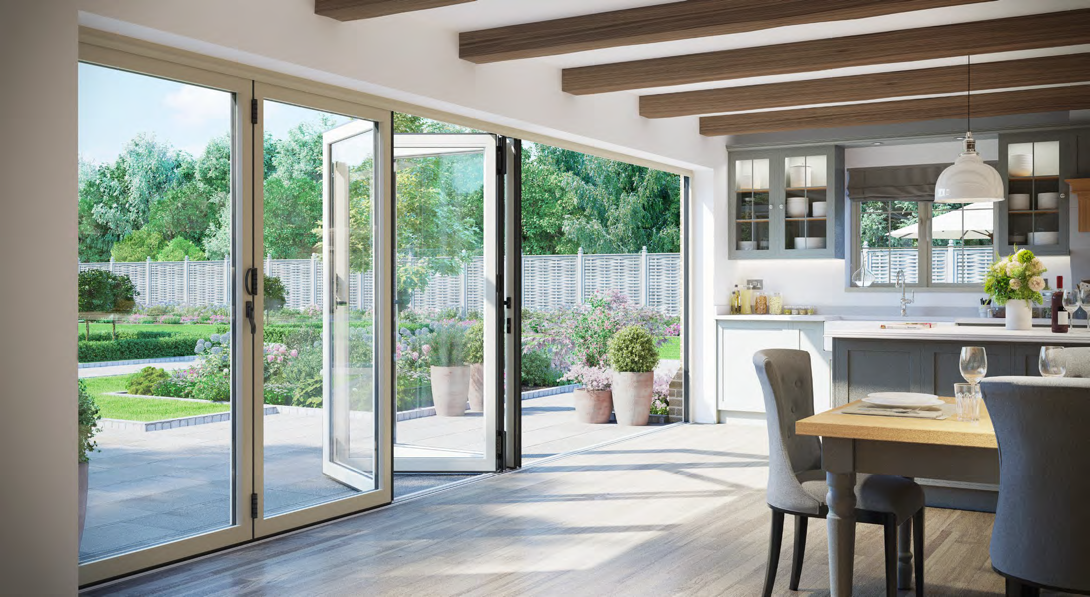
- Year-Round Gardening: With temperature and humidity control, a conservatory allows you to grow plants year-round, despite external weather condition conditions.
- Visual Appeal: The sophistication of Victorian Glasshouse Construction architecture adds a touch of elegance to any garden, frequently increasing the residential or commercial property’s value.
- Versatile Space: Conservatories can serve different functions– greenhouses for gardeners, sun parlors for relaxation, or areas for amusing guests.
- Connection to Nature: A conservatory produces a tranquil atmosphere, enabling homeowners to escape into a rich environment without having to leave their home.
- Imaginative Potential: The design and layout can be tailored to match personal tastes, making them unique extensions of the home.
Diverse Uses of a Victorian Conservatory
| Use | Description |
|---|---|
| Indoor Garden | Create an indoor sanctuary filled with lavish plants, flowering types, and even a small veggie or herb garden. |
| Relaxation Space | Provide the conservatory with comfy seating for reading, meditating, or merely taking pleasure in the environments. |
| Entertainment Area | Host events, tea ceremony, or even little musical performances in the middle of an enchanting atmosphere. |
| Office or Studio | Convert the area into a light-filled workplace or art studio, promoting imagination and focus. |
Upkeep Tips for Your Victorian Conservatory
Keeping a Victorian conservatory needs attention to both the structure and the plants inside. Here are some vital upkeep ideas:
- Regular Cleaning: Keep glass panes clean to make the most of sunlight. Use a soft cloth or sponge with glass cleaner– prevent abrasive products that might scratch the glass.
- Inspect the Frame: Periodically check the iron or metal frames for rust or structural weaknesses. Treat any rust spots right away to prevent disintegration.
- Handle Temperature and Humidity: Use shading gadgets, open windows, or fans for ventilation in warmer months. Throughout winter season, think about heating options that will not damage plants.
- Plant Care: Regularly water plants, focusing on various species’ needs. Prune dead foliage and re-pot plants as needed to motivate development.
- Seasonal Adjustments: Change arrangements with the seasons to accommodate plant development and to keep the space welcoming and fresh.
FAQ: Common Questions About Victorian Garden Conservatories
1. What materials are Best Victorian Conservatory Installers for a Victorian garden conservatory?
- Wrought iron and cast iron are traditional, resilient choices that can support large glass panes easily. Modern options include aluminum for a lighter and rust-resistant option.
2. Are Victorian conservatories energy effective?
- Properly designed and insulated conservatories can undoubtedly be energy-efficient, especially when fitted with double-glazed glass, decreasing heat loss in winter.
3. How do I choose the right plants for my conservatory?
- Select plants based on the amount of sunshine the conservatory gets. Tropical plants typically flourish in intense, damp conditions, while others may require less intense light.
4. Can I use a Victorian Style Greenhouse Installers conservatory all year round?

- Yes! With correct heating and ventilation, a conservatory can be a practical area throughout the seasons for both plants and people.
5. How expensive are Victorian conservatories to maintain?
- Expenses differ considerably depending on size, products, and local environment. Annual maintenance normally consists of cleansing, plant care, and occasional repairs.
Victorian garden conservatories stand as architectural marvels, characterizing a love for nature and the outdoors. They not only improve aesthetic appeal and boost home value but likewise use functional, delightful areas for individual pleasure. For those considering this traditional structure, the benefits are both many and charming. Whether one dreams of summer flower screens or relaxing winter season retreats, a Victorian conservatory can wonderfully fulfill those desires while also working as a long lasting homage to a time when workmanship and botanical enthusiasm grew.
With the best care and attention, Victorian garden conservatories can continue to thrive for generations to come, bridging the past with the present in wonderful consistency.