

Gutter Installation
Add a review FollowOverview
-
Founded Date August 4, 1977
-
Sectors Health Care
-
Posted Jobs 0
-
Viewed 100
Company Description
The 10 Most Terrifying Things About Gutter Downpipes
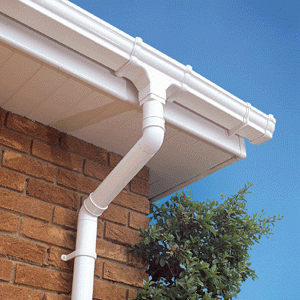
Understanding Gutter Downpipes: Essential Components for Effective Drainage
Gutter downpipes play a critical role in a structure’s water management system. These important parts facilitate the effective drainage of rainwater from the roof through the gutter system and into the ground or a stormwater drainage system. Comprehending the function, products, installation procedures, and maintenance practices connected with gutter downpipes can assist house owners, home builders, and designers in making informed choices about their water drainage systems.
What Are Gutter Downpipes?
Gutter downpipes are vertical pipes that connect the gutter at the edge of a roof to the ground or a drainage system below. They serve to transfer rainwater collected in the gutters away from the structure’s structure, therefore preventing water damage, disintegration, and structural concerns.
Secret Functions of Gutter Downpipes
- Water Diversion: Direct rainwater far from the roof and building structure.
- Structure Protection: Minimize the risk of flooding or erosion around the structure.
- Avoid Mold Growth: Reduce moisture levels that can lead to mold and mildew.
- Manage Storm Water: Help mitigate stormwater overflow effect on the environment.
Kinds Of Gutter Downpipes
Gutter downpipes can be found in different materials and styles, each with distinct benefits and applications. Here are the most common types:
| Type | Material | Benefits | Drawbacks |
|---|---|---|---|
| PVC Downpipes | PVC (Polyvinyl Chloride) | Lightweight, corrosion-resistant, simple to install | Can become brittle in extreme temperature levels |
| Metal Downpipes | Aluminum or Steel | Long lasting, lasting, visual appeal | Higher initial cost, can wear away if not treated |
| Cast Iron Downpipes | Cast Iron | Very resilient and strong | Heavy, expensive, requires maintenance |
| Copper Downpipes | Copper | Unique look, long life span | High expense, can establish patina with time |
Installation of Gutter Downpipes
When installing gutter downpipes, it is crucial to follow best practices to guarantee optimal efficiency. Here are some actions typically included in the installation procedure:
- Planning the Layout: Determine the optimal placement of downpipes based upon gutter configuration and structure design.
- Picking the Right Size: Sizes vary, however typical sizes are 2 inches, 3 inches, or 4 inches. Pick a size that can handle the volume of rainwater anticipated.
- Connecting to Gutters: Securely secure downpipes to the gutter with brackets. Ensure there are no gaps to avoid leaks.
- Directing Water Away: Ensure downpipes extend far from the foundation, preferably directing water into a drainage system or rainwater harvesting tank.
- Routine Inspection: Periodically check downpipes for blockages, damage, or misalignment.
Tools Required for Installation
- Pipeline cutter
- Drill
- Ladder
- Determining tape
- Level
- Silicone sealant
Maintenance of Gutter Downpipes
Routine maintenance is vital to extend the life and functionality of gutter downpipes. House owners need to follow these standards:
- Regular Cleaning: Remove debris such as leaves, branches, and dirt from the downpipes to avoid obstructions.
- Look for Leaks: Inspect joints, brackets, and the pipe for leaks or damage and repair my windows And Doors them promptly.
- Check during Heavy Rainfall: Observe the efficiency of downpipes throughout a storm to make sure appropriate drainage.
- Flush with Water: Occasionally flush downpipes with water to clear out any potential obstructions.
Typical Problems and Solutions
Gutter downpipes can encounter various concerns that may hamper their performance. Below are some typical issues and their solutions:
| Problem | Service |
|---|---|
| Clogged Downpipes | Regularly tidy downpipes. Utilize a plumber’s snake if required. |
| Dripping Joints | Apply silicone sealant or replace faulty adapters. |
| Misalignment | Readjust downpipe and secure it appropriately. |
| Rust or Corrosion | Replace harmed areas, especially in metal downpipes. |
Frequently Asked Questions About Gutter Downpipes
Q1: How frequently should gutter downpipes be cleaned?A1: It is advised to clean downpipes at least two times a year, particularly before and after the rainy season.
Q2: Can I set up gutter downpipes myself?A2: While installation can be done by DIY lovers, it’s a good idea to consult professionals for a correct setup, particularly in complex roof designs or for high structures.
Q3: What are the indications that my downpipes require to be replaced?A3: Common signs consist of frequent clogs, noticeable rust, rusting, and noticeable leaks that can not be repaired.
Q4: Which kind of downpipe is best for my home?A4: The best type depends on your spending plan, visual choices, and environment. PVC is frequently the most cost-effective, while metal options might be more durable.
Gutter downpipes are essential elements in the total framework of a building’s drainage system. From guaranteeing efficient water circulation to safeguarding the structural integrity of a home, their importance can not be overemphasized. By understanding the types, installation processes, maintenance requirements, and typical concerns, house owners and home builders can promote a more efficient rainwater management system, causing lasting benefits. Regular assessment and maintenance, in combination with high-quality materials, will ensure that gutter downpipes remain functional and effective throughout their life-span.